Building institutions and local opportunities
For more than fifteen years, Simon Nikandrov has quietly reshaped how Locking is taught, performed, and preserved on two continents. His career—anchored in competitive success but defined by sustained community leadership—began in Russia, where he founded House of Power Dance School and later established Bouncing Cats Dance School. Under his guidance he also created the acclaimed Locking crew That’s the Point, which quickly became one of Russia’s most respected teams, earning recognition at national and international competitions while introducing new audiences to the style.
Those early efforts were about more than trophies. Simon focused on creating environments where dancers could train, perform, and develop within an authentic street dance culture. By assembling stable training spaces and producing performance opportunities, he helped lay the groundwork for a generation of Russian dancers who would go on to compete, teach, and lead.
Organizing a scene: competitions, workshops and cultural exchange
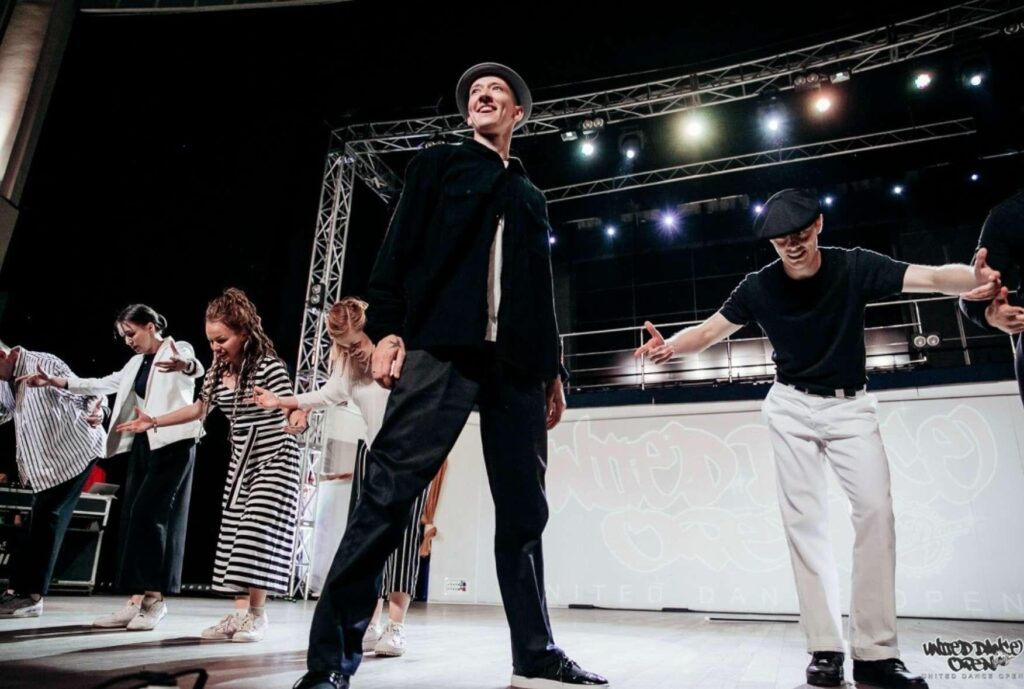
Simon’s contribution to the Russian Locking scene extends beyond teams and schools. He organized prominent events such as Saint-P Locking League and Real Dance Meeting, served as a judge for numerous national championships, and regularly presented workshops across the country. Crucially, he brought international pioneers to Russian audiences—most notably organizing educational events that featured respected figures like Henry Link of Elite Force—giving local dancers direct access to the history and musicality that underpin Locking.
Taking Locking international: work in the United States
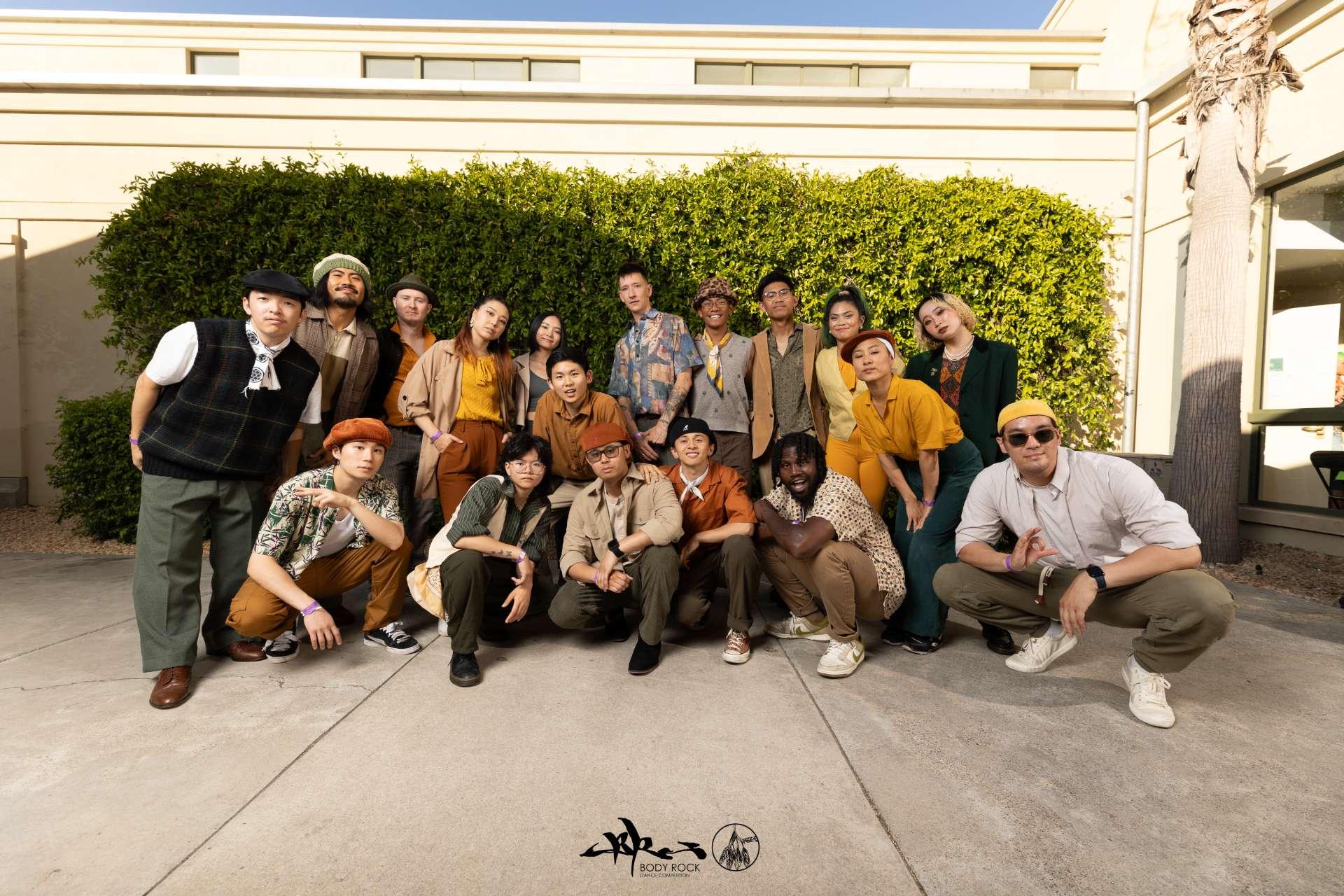
After relocating to the United States, Simon carried that same mission onto an international stage. He co-founded Boom Chaka Lockers, a Los Angeles–based professional Locking crew committed to preserving and promoting one of hip-hop’s original dance styles through performances, education, and cultural exchange. The crew has represented authentic Locking culture at prestigious events including B-Boy Summit and Body Rock, exposing global audiences and fellow artists to the tradition Simon defends.
Teaching, judging and institutional recognition
Simon’s reputation as a cultural leader is reflected in the institutions that continue to invite him as a guest educator. Throughout his career he has taught workshops and masterclasses at leading dance organizations in both Russia and the United States, including Millennium Dance Complex, Movement Lifestyle (mL), Offstage Dance Studio by GRV, Rūts Dance Studio, Millennium Dance School, SHTAB Dance School, Qinetic Dance School, and many other respected programs. His expertise has been recognized formally as well: he is a certified Hip Hop International (HHI) National Judge, and he is frequently invited to evaluate competitions and mentor dancers at the highest levels.
A philosophy: teaching movement and culture
For Simon, preserving Locking requires more than teaching steps. He advocates passing on the culture—musicality, history, values, and creative principles—that make the style a living tradition rather than a commercialized set of moves. That philosophy shaped his work as a founder, educator, choreographer, mentor, judge, and artistic leader: each role became an opportunity to promote an understanding of Locking’s roots and present it within contexts that respect its originators and community.
Impact and legacy
Simon’s contribution cannot be measured solely by awards or the stages on which he has performed. His lasting influence is visible in the institutions and communities he helped create, the educational initiatives he led, the competitions he organized and judged, and the generations of performers who continue to carry forward the traditions of authentic Locking. By creating stable pathways for training, performance, and mentorship across Russia and the United States, he has strengthened the professional street dance community in ways that extend far beyond his own career.
As Locking continues to evolve globally, Simon Nikandrov’s work offers a model for cultural stewardship: build organizations that outlast individual careers, invite the original voices to speak, and teach the history and musicality as intentionally as the technique. The result is not just a stronger dance scene, but a more resilient cultural tradition able to thrive across continents.