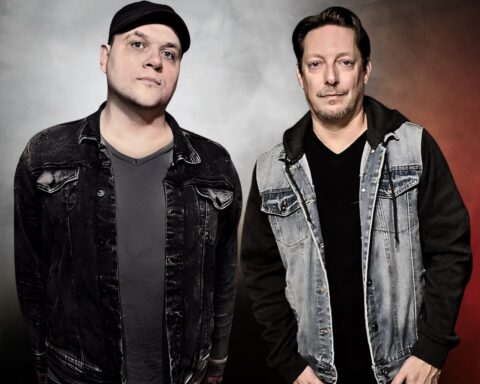

For nearly two decades, The Music Factory, founded by guitarist, composer, and recording artist Ari Joshua, has been quietly shaping the musical journeys of thousands of students through personalized mentorship and artist-led instruction. Now the Seattle-based music school is opening new horizons by offering access to its faculty of performing and recording professionals through online lessons.
Joshua opened the doors of The Music Factory nearly 20 years ago with a mission: to build a creative community where students of all ages could learn music through mentorship, real-world artistry, and a love for the craft. Since then, the school has grown into a thriving hub for music education, with more than 100,000 lessons taught and a faculty made up of experienced musicians actively working in today’s music scene.
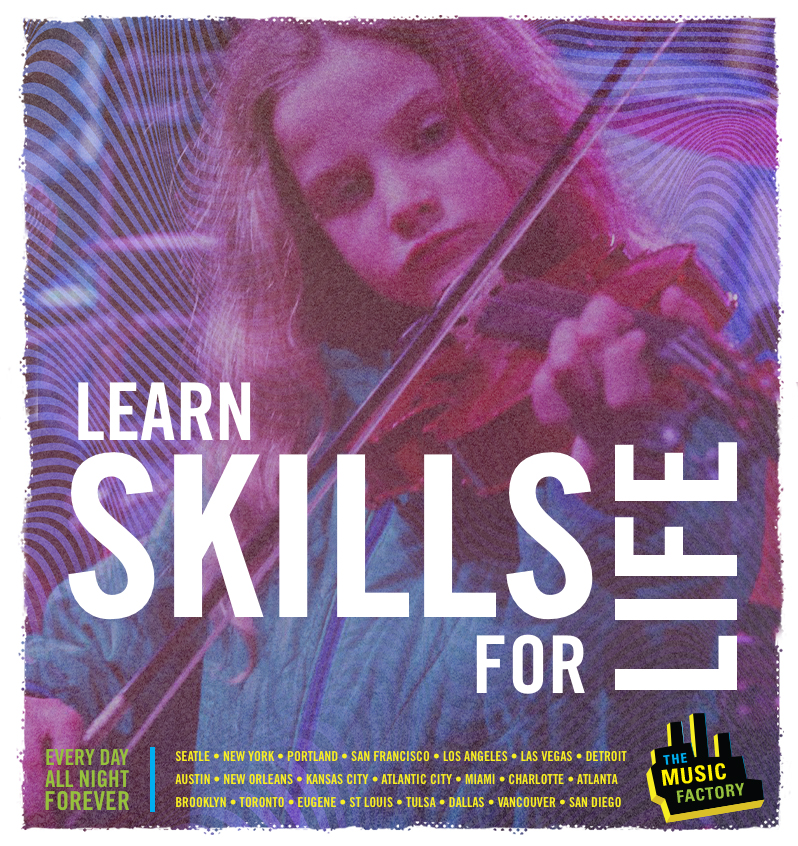
The Music Factory has long been known for its highly personal teaching style. Students come to the school for lessons in guitar, piano, voice, drums, songwriting, music production, violin, and woodwinds, guided by instructors who are not only teachers but also performers, composers, and recording artists.
“The heart of the school has always been our teachers,” Joshua says. “They’re incredible musicians who love sharing what they’ve learned. Many of them have spent decades performing and recording, and they bring that experience directly into the lesson room.”
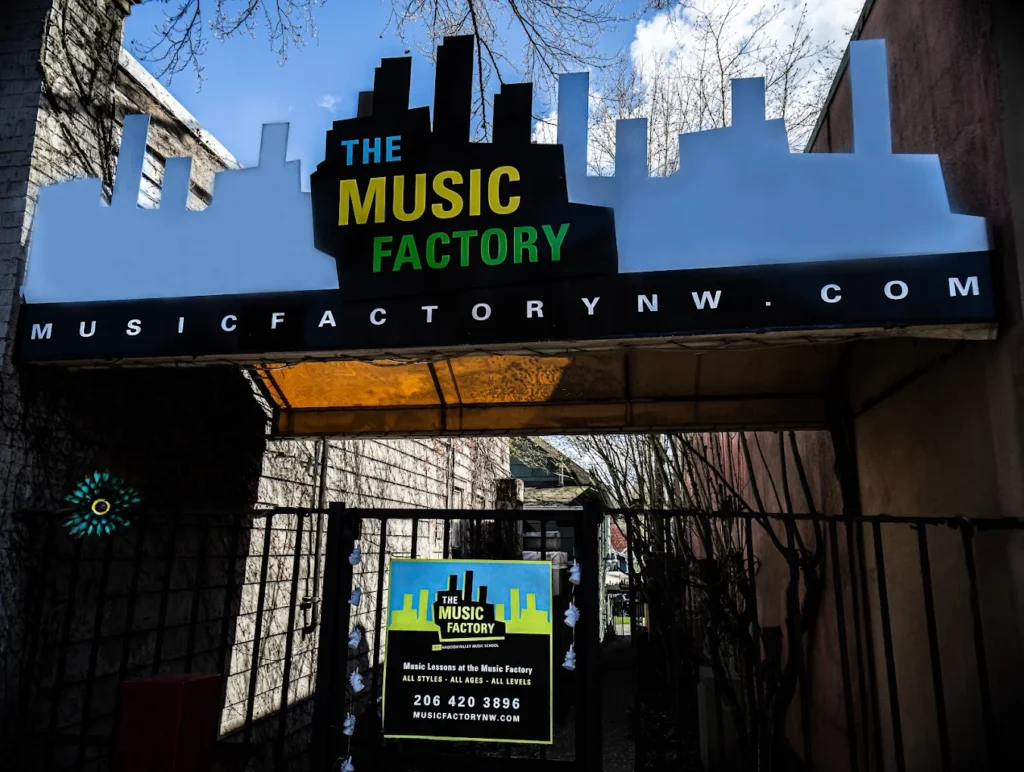
For most of its history, The Music Factory operated almost entirely as an in-person institution at its Seattle location, where the sounds of instruments and rehearsals often fill the hallways throughout the day.
But during the COVID-19 pandemic, the school was forced to adapt quickly.
“During COVID we had to switch to completely online,” Joshua recalls. “Our staff and teachers actually kept about 90 percent of our lessons going through the entire epidemic. It showed us it was possible.”
The experience demonstrated that the school’s mentorship-driven approach could translate beyond the physical classroom while still maintaining the same level of connection between teacher and student.
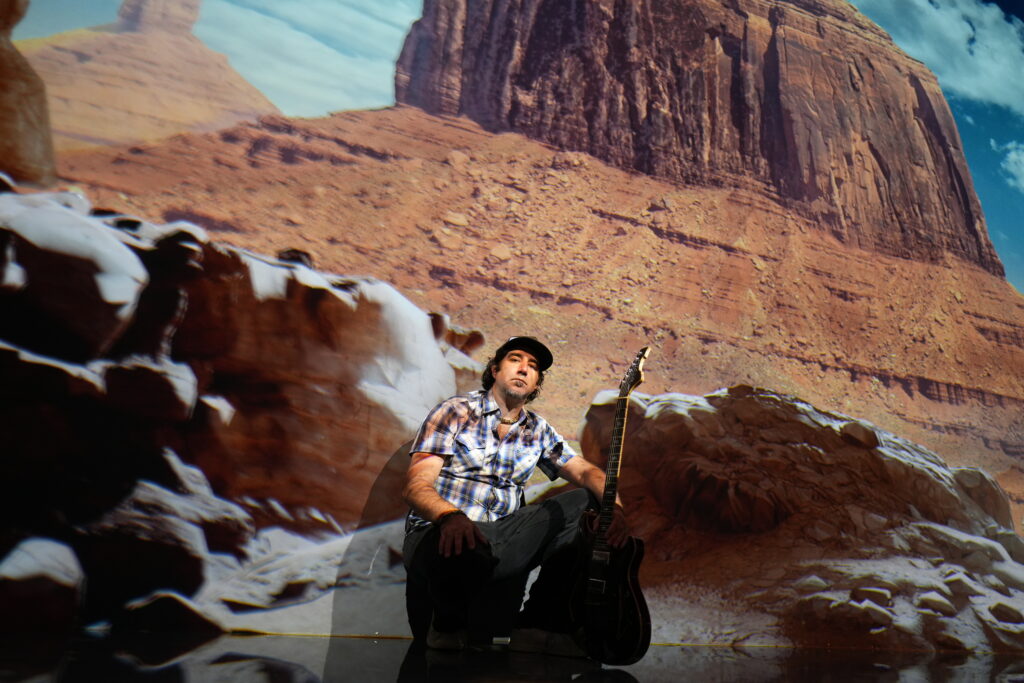
After returning to mostly in-person instruction, the school kept a small number of online students. Now, for the first time, The Music Factory is formally opening that door as a larger option for new students.
“We maintained a small amount of online students, but we had never outright offered it as a full option before,” Joshua says. “We just want to spread music as far and wide as possible and allow access to everyone who wants to learn.”
Through the school’s new online offerings, students can connect with The Music Factory’s faculty for one-on-one lessons, mentorship, and coaching, learning directly from musicians who actively create and perform music themselves.
While the format may be evolving, the core philosophy of The Music Factory remains unchanged: music education should nurture creativity, confidence, and lifelong learning.
Nearly twenty years after its founding, the school continues to grow while staying rooted in the same mission that started it all — helping students discover the power of music through the guidance of dedicated artists and teachers.
More information about The Music Factory and its programs can be found at MusicFactory.online.
Social Links:
Instagram — https://www.instagram.com/musicfactorynw
Facebook — https://www.facebook.com/musicfactorynw