As global concert productions continue to evolve into cinematic spectacles, the role of the live event cinematographer has become increasingly vital. Arena and stadium tours now operate with production values comparable to large-scale film productions, requiring highly specialized camera teams capable of translating the scale and emotion of a live performance into compelling visual storytelling.
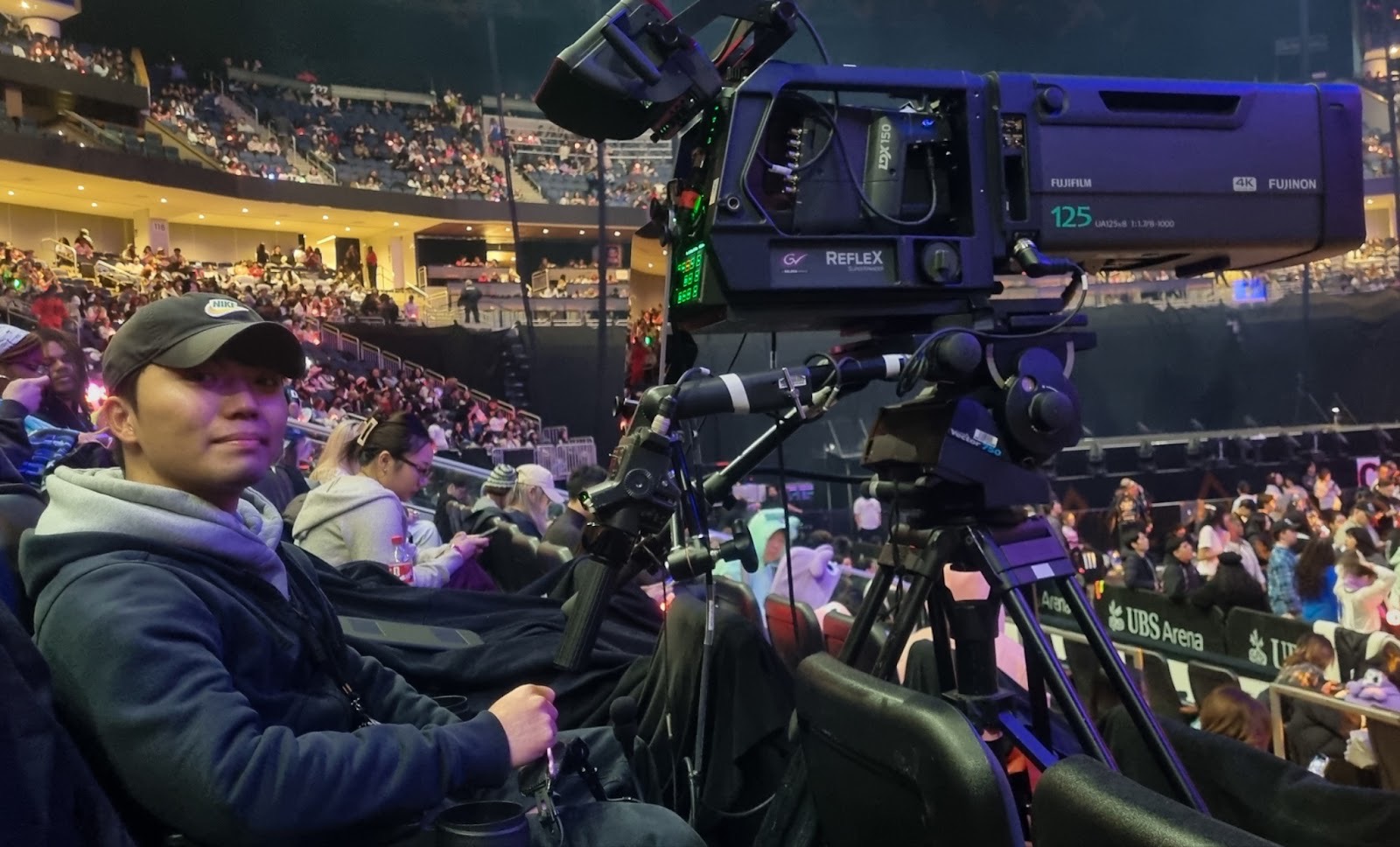
Hyunsung “Phelix” Choi is among the cinematographers working behind the scenes of these productions. Currently serving as a camera operator on the This Is For world tour by TWICE, Choi has developed a reputation for capturing the intensity, precision, and atmosphere of large-scale live performances.
Through his work in international touring productions, Choi has developed specialized expertise in live broadcast cinematography, contributing to performances viewed by audiences across multiple countries. His work involves operating within complex multi-camera broadcast environments where every shot must be executed in real time without the opportunity for retakes.
Prior to joining the TWICE tour, Choi contributed to global concert productions featuring artists such as Enhypen, Tomorrow X Together, and RIIZE. Working in these large-scale touring environments, his role has involved translating fast-paced choreography, dynamic stage design, and audience interaction into visually cohesive broadcast coverage.
Below, Choi shares insights into his career, the technical preparation required for global tours, and the unique challenges of filming live concert performances.
Interview
Q: What first inspired you to pursue a career in live event cinematography?
My interest in live event cinematography began with a fascination for the unique energy of live performances. Unlike traditional filmmaking, where scenes can be repeated and carefully controlled, concerts exist entirely in the present moment. Every movement on stage, every lighting cue, and every reaction from the audience happens only once.
That sense of immediacy is what initially drew me to this field. I realized that live cinematography is not just about recording a performance—it’s about translating the emotional experience of the venue into images that audiences around the world can feel.
Over time, I became especially interested in the technical side of multi-camera live production. Concerts require a complex coordination of camera operators, directors, stage managers, lighting designers, and performers. Being part of that system and contributing visually to a performance that thousands of people are experiencing simultaneously is incredibly rewarding.
Q: You’re currently filming the TWICE world tour. What does that experience look like from behind the camera?
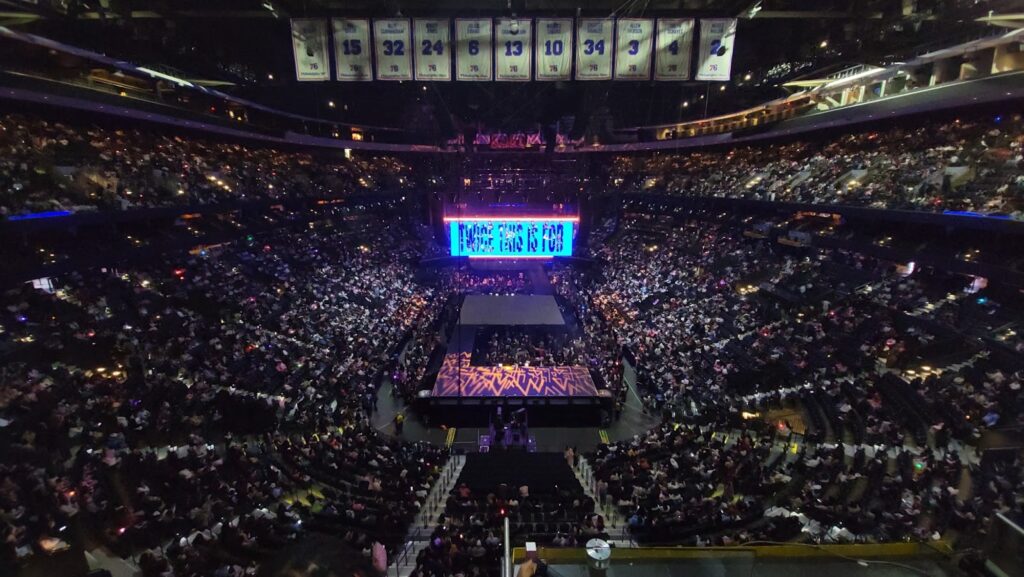
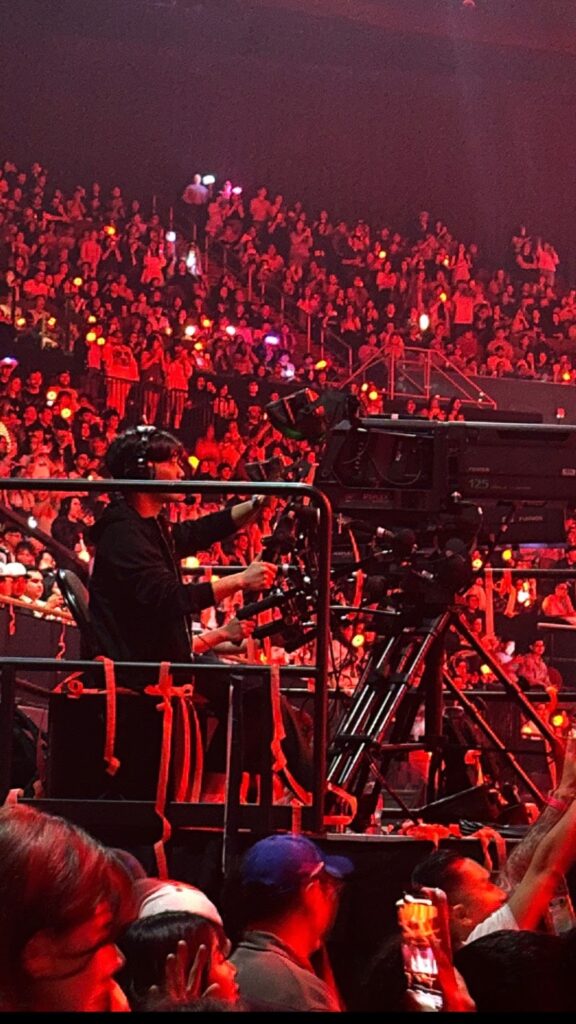
Working on the TWICE world tour is both exciting and technically demanding. Arena and stadium productions operate with large crews and sophisticated camera systems designed to capture every moment of the performance.
In a typical show, multiple cameras are positioned around the venue, each responsible for a different visual perspective. Some cameras are dedicated to wide shots that reveal the full scale of the stage design and audience, while others focus on close-ups that capture the performers’ expressions and interactions.
My role as a camera operator involves maintaining constant awareness of the performance and anticipating key moments before they happen. Because choreography, lighting cues, and stage movements are precisely timed, camera operators must move and frame their shots with the same rhythm as the performance itself.
At the same time, live events are unpredictable. The energy of the audience and the performers can shift from night to night, which means we constantly adapt while maintaining the overall visual narrative of the show. In practice, that means choosing when to stay close on a member’s expression, when to open up to show the full formation, and when to cut to the crowd, so that the audience experiences a coherent visual story rather than just a series of random angles.
Q: What kind of preparation goes into filming a large-scale concert production?
Preparation is one of the most important parts of live concert cinematography. Before every show, the camera team studies the setlist, stage layout, choreography, and lighting design in detail.
Understanding the choreography is particularly important when working with artists who perform highly synchronized routines. By studying the structure of each song, we can anticipate where important visual moments will happen and position the camera accordingly.
Another key element is communication with the live broadcast director. During the performance, camera operators receive instructions through headsets, allowing the director to coordinate which camera will appear on screen at any given moment.
Because everything happens live, preparation allows us to react quickly and confidently during the show. At the same time, we rely on instinct and experience to capture unexpected moments that make each performance unique.
Q: You’ve worked on several international touring productions. What skills are essential for operating in that environment?
Live touring environments require both technical precision and strong collaboration skills. Concert productions involve large crews, and every department—from stage management to lighting and camera—must work in sync.
For camera operators, timing is extremely important. A fraction of a second can make the difference between capturing a perfect moment or missing it entirely. This is especially true during choreographed performances where movements are tightly synchronized with music and lighting cues.
Another important skill is adaptability. Beyond pure timing, a strong visual sense is essential—understanding which angle best presents a particular move or moment, and how to maintain a consistent look across different venues. Touring productions travel between different venues, each with its own stage dimensions, camera placements, and technical constraints. Operators must quickly adjust to new environments while maintaining the visual consistency of the production.
Ultimately, success in live cinematography comes from a combination of preparation, technical knowledge, and the ability to respond creatively in real time.
Q: What do you find most rewarding about working in live concert cinematography?
For me, the most rewarding aspect is knowing that the images we capture allow audiences around the world to experience the performance.
Not everyone can attend a live concert in person, but through broadcast screens and large venue displays, millions of viewers are able to connect with the performance. When the camera work successfully conveys the energy of the stage and the emotion of the crowd, the audience watching remotely can feel as if they are part of the event.
That responsibility motivates me to keep improving my craft and continue exploring new ways of visual storytelling within live productions.
As concert productions continue to grow in scale and creative ambition, the role of live event cinematographers has become increasingly important in shaping how audiences experience global performances. Professionals like Hyunsung “Phelix” Choi operate at the intersection of filmmaking and live broadcast, where technical precision and artistic intuition must work together in real time.Through international touring experience and specialized expertise in live concert cinematography, Choi contributes to productions that bring the energy of the world’s biggest stages to audiences across the globe. More of his work can be explored through his professional portfolio at www.phelixchoi.com.